Tag: malibu beaches

NSW Issues Hazard Statement For Malibu Coast

April 27, 2025 ·

Photo Credit: Andre Frueh

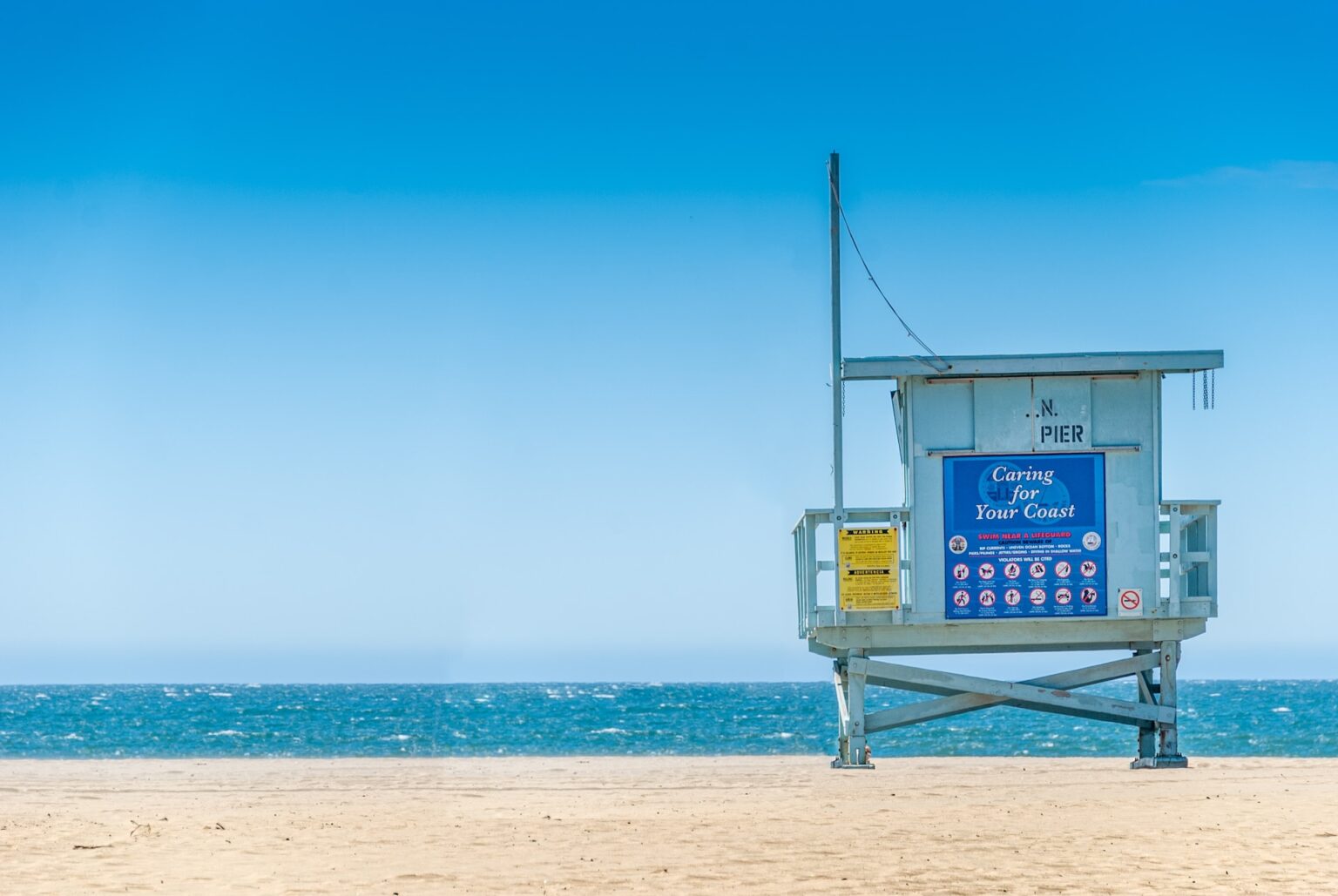
MALIBU—On Saturday, April 26, the National Weather Service (NWS) issued the following Beach Hazard Statement for the Malibu Coast and Los Angeles Beaches, which is in effect from Sunday, April 27 through the evening of Wednesday, April 30.

The following came directly from NWS:

“WHAT…Breaking waves up to six feet for south-facing beaches and dangerous rip currents due to a long-lived, long-period south swell. Minor nuisance flooding may occur Monday and Tuesday between 6 p.m. and 3 a.m. during high tide.

WHERE…Malibu Coast and Los Angeles County Beaches.

WHEN…From Sunday morning through Wednesday evening.

IMPACTS…There is an increased risk of ocean drowning. Rip currents can pull swimmers and surfers out to sea. Waves can wash people off beaches and rocks and capsize small boats near shore.

Precautionary/Preparedness Actions:

Remain out of the water due to hazardous swimming conditions, or
stay near occupied lifeguard towers. Rock jetties can be deadly
in such conditions, stay off the rocks.”

In addition to the hazard warning by the NWS, Malibu also has been hit with another round of mudslides. Reports indicate that there will be closures in sections of the Pacific Coast Highway (PCH) due to mud and debris.

PCH was closed between Sunset Boulevard and Carbon Beach Terrace on Saturday night, April 26.

According to the California Department of Transportation, this section of PCH will remain closed on Sunday, April 27 to enable work crews time to clean up Tuna Canyon Road.

By Sharon

MMCC Treats Sick Sea Lions At Local Beaches

March 21, 2025 ·

Photo Credit: Cesar Couto

MALIBU—On March 20, Canyon News learned that the Marine Mammal Care Center (MMCC) located at 3601 South Gaffey in San Pedro, has had to set up portals on area beaches due to the toxic algae bloom occurring for the fourth year in a row. MMCC is finding sickened sea lions washing up on the shores of Los Angeles County Beaches. The sea lions are not the only ones getting sick. The toxic blooms are now affecting dolphins and sea birds too.

The MMCC is processing the intake of sick patients at the portals. The MMCC reports symptoms in sea lion patients including a loud barking sound, swinging of the head, lethargy, and seizures.

Reports indicate that the increase in Harmful Algae Blooms (HABs) over the last few years could be attributed to the excess of nutrients in the soil from fertilizers and the runoff of wastewater. They thrive in these conditions coupled with warm temperatures.  Forecasters often report a “Red Tide,” when the blooms are most prevalent.  This occurs not only on the coast of southern California but also in Florida, North Carolina, South Carolina, and some have even been reported in the cold waters of Lake Eerie.

It is important not to approach the sea lions. They aren’t pets. They are sick and exhibiting some aggressive behavior. On the MMCC website, there are helpful tips on how to help the sea lions such as viewing them from afar. If they react to your presence, you are too close. The website suggests using a camera to snap a photo rather than trying to approach the sea lions for a “selfie.”

The following came directly from the MMCC website:

“The [MMCC] rehabilitates sick and injured marine mammals at our hospital until they can be released back into the wild. Annually, the center cares for 250-500 sea lions, elephant seals, fur seals, and harbor seals.”

Since 1992, they have cared for over 10,000 marine animals by “providing a clean and stress-free environment” is paramount! Our focus is always on keeping the animal as wild as possible to ensure its success upon release into its natural habitat.

The MMCC encourages those who would like to volunteer or support their efforts to visit the MMCC website to find out how to get involved.

By Sharon

Sick Sea Lions, Bacteria Plague Area Beaches

February 26, 2025 ·

Photo Credit: Michael Jerrard

MALIBU—On February 25, the California Wildlife Center reported 14 sick sea lions at the Malibu beaches indicating that the cause is likely due to the toxins created in algae blooms. Domoic acid is the neurotoxin produced by the algae blooms that contaminate the sardines and anchovies that seals and sea lions eat.

Wildlife specialists received multiple reports regarding the sea lions and were able to determine that the animals were sick after observing their behavior. A similar outbreak occurred last summer at the Santa Barbara beaches.

The public is encouraged to steer clear of the sick sea lions.

The Los Angeles County Public Health Department(LACDPH) issued an ocean water use warning on February 25, for Los Angeles County beaches. These warnings have been issued due to bacteria levels exceeding health standards when last tested.

The following information came directly from the LACDPH webpage.

Ocean Water Use Warning for Los Angeles County Beaches

The Los Angeles County Department of Public Health cautions residents who are planning to visit the below Los Angeles County beaches to avoid swimming, surfing, and playing in ocean waters all of which included, “100 yards up and down the coast from the storm drain.”

BEACH AREA WARNINGS (NON-FIRE RELATED):

· Lagoon at Surfrider Beach

100 yards up and down the coast from the public restrooms.

· Santa Monica Pier in Santa Monica

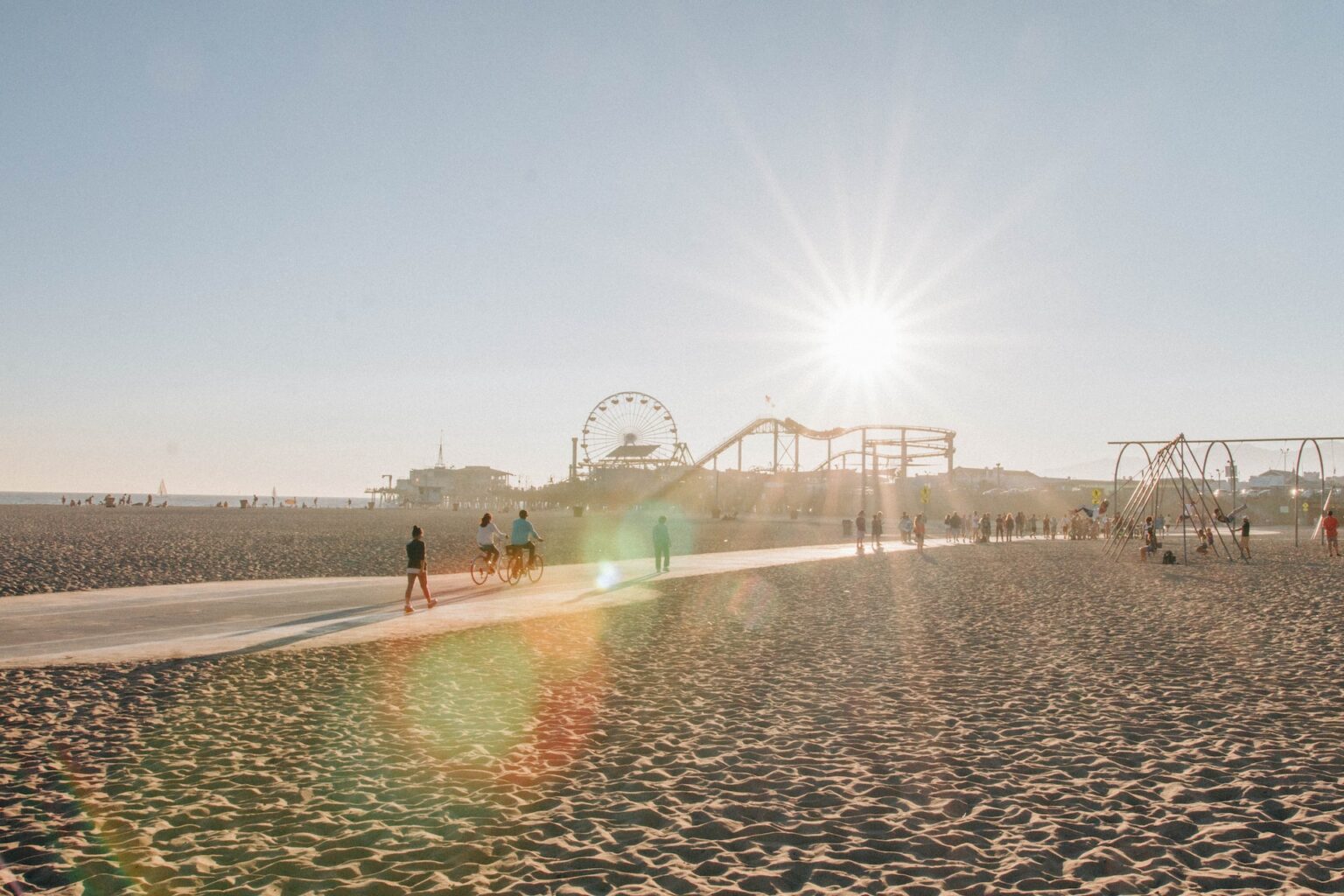
100 yards up and down the coast from the pier.

· Pico-Kenter storm drain at Santa Monica Beach. Santa Monica South Tower 20

· Ashland Ave. storm drain in Santa Monica. Santa Monica South Tower 28

· Windward storm drain at Venice Beach

Dockweiler State Beach. Culver Blvd Storm Drain

Escondido Creek at Escondido State Beach

100 yards up and down the coast from the creek.

· Marie Canyon Storm Drain at Puerco Beach

· Sweetwater Canyon Storm Drain at Carbon Canyon Beach

·Rose Avenue Storm Drain at Venice Beach

·Mothers Beach in Marina Del Rey

The entire swim area.

·Wilshire Bl. storm drain at Santa Monica Beach. Santa Monica North Tower 12

·Strand Street extension at Santa Monica Beach

·Brooks Avenue storm drain at Venice Beach

Inner Cabrillo Beach in San Pedro

The entire swim area.

· 28th Street extension in Manhattan Beach

100 yards up and down the coast from the 28th Street extension.

·Herondo Street storm drain in Hermosa Beach. Near Hermosa Tower TK

These warnings have been issued due to bacterial levels exceeding health standards when last
tested. More beach warnings that are fire-related may be found on the LACDPH website.

By Sharon

Malibu Beaches Contaminated With Bacteria

January 7, 2025 ·

Photo Credit: Daniel Jensen

MALIBU—On Tuesday, January 7, Beach Water Quality Advisors from the Los Angeles Department of Public Health (LADPH) issued a press release warning the public to avoid swimming and playing in the ocean waters in area beaches that have high levels of bacteria that could be harmful to residents and their human and fur babies.


Photo Credit: Nathalie Spehner


Residents are reminded that swimming in infected waters is a health risk for humans and canines alike.

The following beaches were tested and have been contaminated with bacteria.

Topanga Canyon Beach in Malibu

100 yards up and down the coast from the lagoon.

Pico-Kenter storm drain at Santa Monica Beach. Santa Monica South Tower 20

100 yards up and down the coast from the storm drain.

Pulga storm drain at Will Rogers State Beach

100 yards up and down the coast from the storm drain.

Solstice Creek at Dan Blocker County Beach

100 yards up and down the coast from the creek.

Inner Cabrillo Beach in San Pedro
The entire swim area.

Mothers Beach in Marina Del Rey
The entire swim area.

Santa Monica Pier in Santa Monica
100 yards up and down the coast from the pier.

These warnings have been issued due to bacterial levels exceeding health standards when last tested.

Warnings have been lifted for the following beach areas where recent sample results identified water quality levels within State standards:

Marie Canyon Storm Drain at Puerco Beach

By Sharon

Six Malibu Beaches Deemed Unsafe For Swimming

November 20, 2024 ·

Six Malibu Beaches Deemed Unsafe For Swimming

MALIBU — On November 19, the Los Angeles County Department of Public Health (LACDPH) issued a press release notifying the public that the ocean waters of six of the area beaches have been deemed unsafe for swimming, surfing, and playing.

The following beaches were issued warnings due to bacterial levels exceeding health standards when it was last tested.


Photo Credit: Zynep Sumer


The Windward storm drain at Venice Beach, and 100 yards up and down the coast from the storm drain.

Big Rock Beach in Malibu, and 100 yards up and down the coast from the public access steps.

Inner Cabrillo Beach in San Pedro, and the entire swim area.

Mothers Beach in Marina Del Rey, and the entire swimming area.

Santa Monica Pier in Santa Monica, and 100 yards up and down the coast from the pier.

The storm drain on Ashland Avenue in Santa Monica, the Santa Monica South Tower 28, and
100 yards up and down the coast from the storm drain.

The Herondo Street storm drain in Hermosa Beach, near Hermosa Tower TK, and 100 yards up and down the coast from the storm drain.

The Strand Street extension at Santa Monica Beach, and 100 yards up and down the coast from Lifeguard Tower #24.

Recorded information on beach conditions is available 24- hours a day on the County’s beach closure hotline: 1-800-525-5662.

The following information came directly from the LACDPH website.

“Water Quality Sampling

Laboratory results from three local agencies are displayed on the map. The Los Angeles County Department of Public Health (DPH) Environmental Health Recreational Waters Program collects ocean water samples from the mainland, once a week throughout the year.

DPH collects an additional five samples from Avalon on Santa Catalina Island beginning in April through October. The Los Angeles County Sanitation Districts (SD) collects ocean water samples at selected sites on the mainland, once each week throughout the year.

The Beach Cities of Redondo Beach, Manhattan Beach, Hermosa Beach, Palos Verdes Estates, and Rancho Palos Verdes (BC) jointly collect water samples within their cities, once a week throughout the year. DPH, SD, and BC also resample sites that have exceeded State Standards for bacteria in ocean water.

The City of Los Angeles, Environmental Monitoring Division, LA Sanitation (HYP) collects water samples from various sites, one to five times per week, all year round. LA City also collects samples at some DPH sites as required by their State NPDES permit.
The public is notified when a site has exceeded State Standards for bacteria in ocean water on this website, by telephone hotline, and by signs posted at the impacted beaches.”

By Sharon

Bacteria Warnings At Santa Monica And Malibu Beaches

July 20, 2023 ·

SANTA MONICA—The Los Angeles County Public Health Department continued to warn beachgoers this week after the department released a bacteria alert for Santa Monica, Malibu, and Marina Del Rey beaches on Monday, July 17.

Officials cautioned individuals planning to visit Los Angeles County beaches to avoid swimming, surfing, and playing in ocean waters at the following locations:

-Topanga Canyon Beach in Malibu, 100 yards up and down the coast from the creek.

-Malibu Lagoon at Surfrider Beach, 100 yards up and down the coast from the public restrooms.

-Santa Monica Pier in Santa Monica, 100 yards up and down the coast from the pier.

-Mothers Beach in Marina Del Rey, the entire swim area.

“These warnings have been issued due to bacterial levels exceeding health standards when last tested,” the Los Angeles County Public Health Department said in the alert.

To view the map of beach up-to-date water quality and for more information, visit PublicHealth.LACounty.gov/Beach/.

By Paige Strickland

LA Public Health Ocean Water Warnings Continue

June 28, 2023 ·

SANTA MONICA—Ocean water use warnings issued by the Los Angeles County Department of Public Health continue to impact beaches this week, including areas near the Santa Monica Pier. They listed six beach areas where bacterial levels in the water exceeded health standards on Monday, June 26. 

Officials caution members of the public to avoid swimming, surfing, and playing in ocean waters of the following beach regions in LA County:

  • Topanga Canyon Beach in Malibu. 100 yards up and down the coast from the lagoon.
  • Inner Cabrillo Beach in San Pedro. The entire swim area.
  • Malibu Lagoon at Surfrider Beach. 100 yards up and down the coast from the public restrooms.
  • Mothers Beach in Marina Del Rey. The entire swim area.
  • Santa Monica Pier in Santa Monica. 100 yards up and down the coast from the pier.
  • Las Flores Creek at Las Flores State Beach. 100 yards up and down the coast from the creek.

The Department of Public Health recommends beachgoers check the department’s Beach Water Quality website before visiting a beach to see if there are any beach water quality warnings in effect.

Routine water quality testing is conducted throughout the week, and each location must meet state health standards before the warning can be lifted. 

“Rain flushes contaminants and pollution from city streets into storm drains, creeks, and rivers. Contaminants such as trash, fertilizer, and pet waste may increase the levels of harmful microorganisms called “pathogenic bacteria” in the ocean to potentially unsafe levels,” LA County Department of Health told Canyon News. 

“The pathogenic bacteria can be present at or near the site where contaminants enter the water.”

Swimming in water contaminated by pathogenic bacteria can cause illness and skin infections. People most likely to develop illnesses or infections are children, the elderly, and people with weakened immune systems. 

Gastroenteritis is the most common illness contracted from pathogenic bacteria in the ocean, which typically enters a person’s system through bacteria-contaminated water swallowed while swimming, according to the Department of Public Health. The symptoms of gastroenteritis include nausea, vomiting, stomachache, diarrhea, headache, or fever. 

Other common illnesses from bacteria-contaminated water include ear, eye, nose, and throat or skin infections. In highly polluted water, swimmers may occasionally be exposed to more serious diseases.

“Fortunately, while swimming-related illnesses are unpleasant, they are usually not very serious,” said LA County Public Health. “They typically require little or no treatment or get better quickly upon treatment and are not expected to have any long-term health effects.”

By Paige Strickland