Tag: LACDPH

Sick Sea Lions, Bacteria Plague Area Beaches

February 26, 2025 ·

Photo Credit: Michael Jerrard

MALIBU—On February 25, the California Wildlife Center reported 14 sick sea lions at the Malibu beaches indicating that the cause is likely due to the toxins created in algae blooms. Domoic acid is the neurotoxin produced by the algae blooms that contaminate the sardines and anchovies that seals and sea lions eat.

Wildlife specialists received multiple reports regarding the sea lions and were able to determine that the animals were sick after observing their behavior. A similar outbreak occurred last summer at the Santa Barbara beaches.

The public is encouraged to steer clear of the sick sea lions.

The Los Angeles County Public Health Department(LACDPH) issued an ocean water use warning on February 25, for Los Angeles County beaches. These warnings have been issued due to bacteria levels exceeding health standards when last tested.

The following information came directly from the LACDPH webpage.

Ocean Water Use Warning for Los Angeles County Beaches

The Los Angeles County Department of Public Health cautions residents who are planning to visit the below Los Angeles County beaches to avoid swimming, surfing, and playing in ocean waters all of which included, “100 yards up and down the coast from the storm drain.”

BEACH AREA WARNINGS (NON-FIRE RELATED):

· Lagoon at Surfrider Beach

100 yards up and down the coast from the public restrooms.

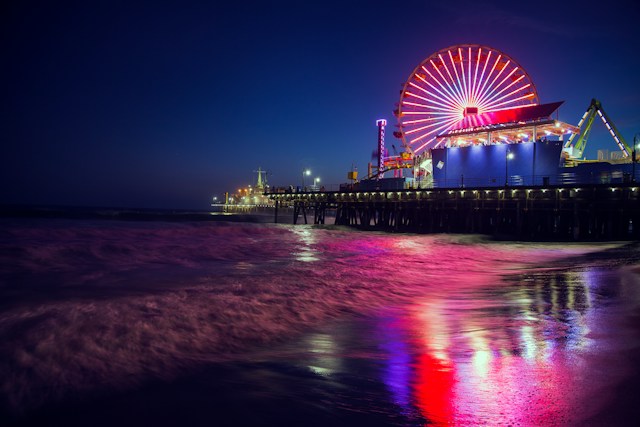
· Santa Monica Pier in Santa Monica

100 yards up and down the coast from the pier.

· Pico-Kenter storm drain at Santa Monica Beach. Santa Monica South Tower 20

· Ashland Ave. storm drain in Santa Monica. Santa Monica South Tower 28

· Windward storm drain at Venice Beach

Dockweiler State Beach. Culver Blvd Storm Drain

Escondido Creek at Escondido State Beach

100 yards up and down the coast from the creek.

· Marie Canyon Storm Drain at Puerco Beach

· Sweetwater Canyon Storm Drain at Carbon Canyon Beach

·Rose Avenue Storm Drain at Venice Beach

·Mothers Beach in Marina Del Rey

The entire swim area.

·Wilshire Bl. storm drain at Santa Monica Beach. Santa Monica North Tower 12

·Strand Street extension at Santa Monica Beach

·Brooks Avenue storm drain at Venice Beach

Inner Cabrillo Beach in San Pedro

The entire swim area.

· 28th Street extension in Manhattan Beach

100 yards up and down the coast from the 28th Street extension.

·Herondo Street storm drain in Hermosa Beach. Near Hermosa Tower TK

These warnings have been issued due to bacterial levels exceeding health standards when last
tested. More beach warnings that are fire-related may be found on the LACDPH website.

By Sharon

11 Cases Of Mosquito-Borne Dengue In SOCAL

October 31, 2024 ·

Photo Credit NIAID

HOLLYWOOD HILLS—On October 31, the Los Angeles County Department of Public Health (LACDPH) confirmed 11 new cases of the mosquito-borne Dengue fever in SOCAL including seven in Baldwin Park, two in El Monte, one case in Panorama City, and one in Hollywood Hills.

Photo Credit By Lucas Sankey

According to The Centers For Disease Control (CDC), most cases of Dengue are believed to be brought from those traveling in mosquito-infested areas. Dengue is not transferred from person to person. Two of the residents infected with the virus have not traveled to areas prone to Dengue.

The following information about how one may be infected with the Dengue virus was taken directly from the LACDPH website:

“Dengue is a disease caused by a virus that spreads to people mainly through mosquito bites. Dengue is common in tropical and subtropical regions such as the Caribbean (including Puerto Rico), Central and South America, Southeast Asia, and the Pacific islands.

See CDC Areas with Risk of Dengue. Because the types of mosquitoes that spread dengue are common throughout many areas of the United States, local spread of dengue is possible. In the continental U.S., cases of locally spread dengue have been rare, with a few reported in Florida, Hawaii, Texas, and more recently, Arizona and California.”

Dengue fever is typically a short-lived virus that only stays in the body anywhere from two to seven days. According to the LACDPH website, one in 20 individuals may develop severe or life-threatening symptoms.

There is no medication known to treat dengue other than some recommended over-the-counter (OTC) medication for fever and pain.

LACDPH notes that the vaccine is not approved for use in U.S. travelers visiting, but not residing in dengue-ridden areas.

Precautions may be taken, as this infection through prevention by cleaning areas that may be collecting moisture, and standing water where mosquitos may breed, keeping pool well maintained, and stocking stock ponds with the right type of fish to eat mosquitos and their larvae.

There is an entire section attributed to the best types of mosquito sprays to use on the LACDPH website.

According to the CDC website, Dengue viruses are spread through the bites of infected Aedes species of mosquitoes. This is not the same mosquito that carries malaria.

The Aedes mosquito is the same type of mosquito that spreads other viruses such as Zika and Chikungunya.

As with other mosquitoes, the Aedes typically lay their eggs in buckets, bowls, flowerpots, tires, or any other container with stagnant water.

The people loving mosquitoes become infected by individuals that have the virus, and then the mosquitoes carry the virus to other people.

By Sharon

Bacteria Warnings For Areas With Heavy Rainfall

December 26, 2023 ·

SANTA MONICA—On December 22, the Los Angeles Department of Public Health (LACDPH) sent out a public health warning for area beaches including Malibu and Santa Monica about bacteria in the water.

“An Ocean Water Quality Rain Advisory has been declared for all Los Angeles County beaches. The advisory will be in effect at least until 8:00 pm, Friday, December 22, 2023. Beach users are cautioned to avoid water contact for at least 72 hours after significant rainfall. This advisory may be extended depending upon further rainfall,” read a statement from the LACDPH website.

They are reminding the public that beach water quality testing is done routinely.

“A beach is closed anytime there is a known sewage or chemical spill impacting ocean waters. Water contact may cause someone to become ill,” the LACDPH noted. 

“A rain advisory is issued when there is significant rainfall that may cause bacteria levels in ocean waters to increase. Bacteria levels can increase significantly during and after rainstorms, as contaminants within the runoff enter the ocean. Bacteria levels may remain elevated for up to three days depending upon the intensity of the rain and the volume of runoff. Elevated bacteria levels in ocean water may cause illness, especially in children and the elderly. The Department of Public Health recommends that beach users avoid contact with ocean water for three days after significant rainfall, especially near flowing storm drains, creeks, and rivers.”

Malibu received a bacterium warning alerting the public to avoid contact with ocean water, creeks, and streams for at least three days following rainfall to avoid sickness from contamination.

According to the National Weather Service, heavy rainfall is expected throughout Southern California with upwards of eight inches of rain possible in some areas.

By Sharon